
Want to try hash but aren't quite sure which cannabinoid is right for you? When comparing CBD hash to THCA hash, the main difference is the cannabinoids they contain. Both are concentrated cannabis products made from plant material that is rich in resin, but CBD hash is primarily associated with cannabidiol (CBD), while THCA hash contains high levels of tetrahydrocannabinol acid (THCA).
CBD is generally considered non-intoxicating, meaning it does not produce the traditional “high” associated with THC. THCA is different. On its own, THCA is typically non-intoxicating, but when exposed to heat, it can be converted into THC, the cannabinoid responsible for the intoxicating effects of cannabis.
So which type of hash is right for you? It depends on what you’re looking for and how you plan to use it. In this guide, we’ll go over the differences between CBD hash and THCA hash, including their composition, effects, potency, uses, legalities, and the importance of product testing and proper labeling.
TL; DR:
CBD hash and THCA hash are both concentrated cannabis products, but they contain different primary cannabinoids. CBD hash is rich in cannabidiol (CBD) and is generally non-intoxicating, while THCA hash contains tetrahydrocannabinol acid, which can be converted to THC when heated. This means that THCA hash can produce intoxicating effects, while CBD hash typically does not. The potency depends on the concentration of cannabinoids, the method of use, and the individual’s tolerance. Always check the product’s labeling and independent laboratory results when available, and be aware of local regulations and laws. If you are researching CBD products, CBDanmark can be a useful starting point to learn more about CBD-focused options.
What is CBD hash?
CBD hash is a concentrated cannabis product made from the resin and trichomes found on cannabis flowers. Hash has been around for centuries and is traditionally made by collecting these resin-rich trichomes and pressing or processing them into a dense, sticky product.
Unlike traditional hash, which is often associated with cannabis with a high THC content, CBD hash is made from cannabis or hemp strains that have been bred or selected for their higher cannabidiol (CBD) content. CBD is one of many naturally occurring cannabinoids in cannabis. Unlike THC, CBD does not typically produce an intoxicating “high,” which is one reason why CBD products appeal to people who want to explore cannabinoids without the same psychoactive effects.
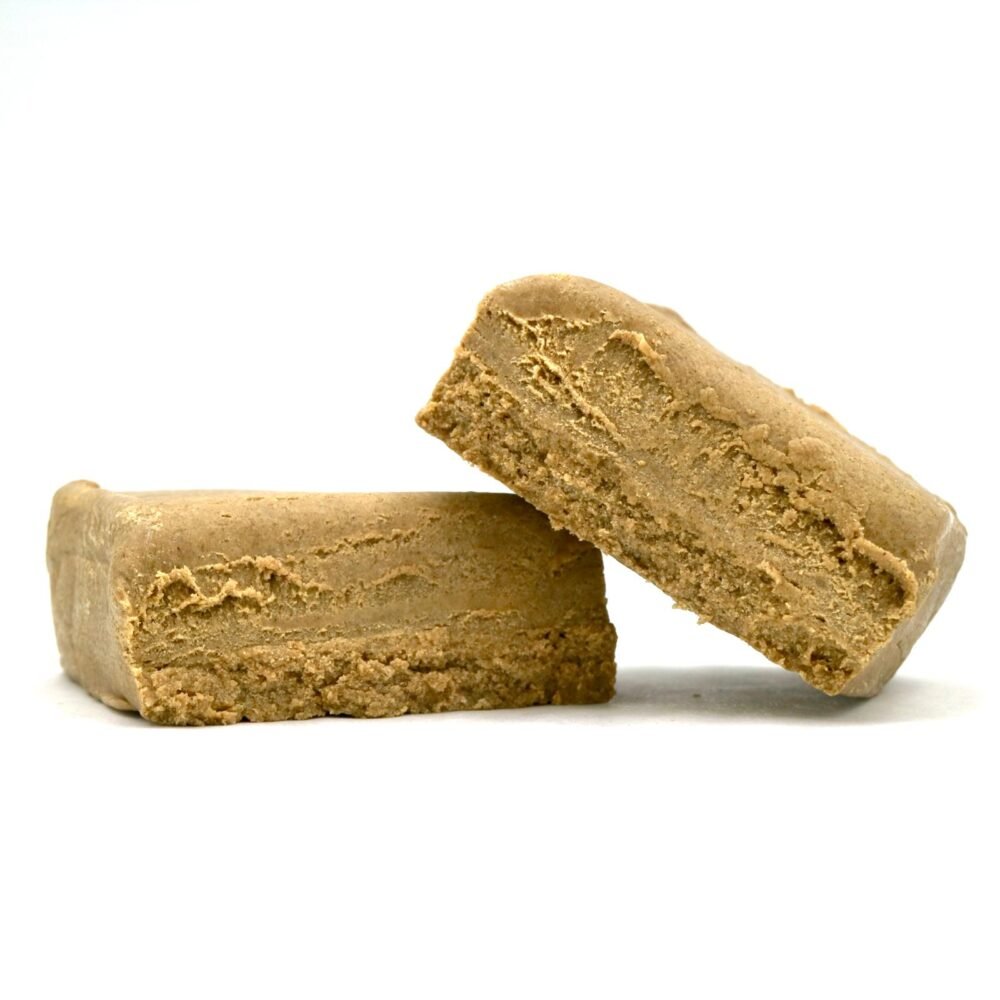
The exact appearance, consistency, aroma, and cannabinoid profile of CBD hash can vary depending on the plant material and production method. Some products may be soft and malleable, while others may be firmer and more crumbly.
What does CBD hash contain?
The primary cannabinoid in CBD hash is CBD (cannabidiol), but it is not necessarily the only compound found in the product. Depending on the source and how the product is manufactured, CBD hash may contain smaller amounts of other cannabinoids as well as terpenes and other naturally occurring plant compounds.
Some CBD hash or hemp hash products may also contain traces of THC. The exact amount may vary depending on the raw material, manufacturing process and local legislation. Therefore, it may be a good idea to check the product labeling and independent laboratory tests to get a better insight into what a particular CBD concentrate actually contains. At CBDanmark, we are always happy to provide our customers with this information.
What is THCA hash?
THCA hash is a cannabis concentrate made from resin-rich cannabis plant material with a high content of THCA, also called tetrahydrocannabinol acid. THCA is a naturally occurring cannabinoid found in fresh, unheated cannabis.
For beginners, the most important thing to understand is that THCA and THC are closely related, but they are not exactly the same. THCA itself is generally not intoxicating in the same way as THC. However, when THCA is exposed to enough heat, a process called decarboxylation can convert it into THC.
This makes THCA-rich hash significantly different from CBD hash. Whereas CBD hash typically focuses on cannabidiol and is generally non-intoxicating, THCA hash can potentially produce THC-related effects after heating. The exact cannabinoid profile can vary depending on the cannabis used and how the hash has been processed.
Does THCA hash get you high?
Whether THCA hash produces intoxicating effects depends largely on how it is used. In its raw or unheated form, THCA is distinct from active THC. However, when THCA is exposed to heat, some of it can be converted to THC.
As a result, the experience may vary depending on the product's cannabinoid concentration, the amount used, and the method of use. Not all THCA hash products are the same, so checking the labeling and available lab results can provide a clearer picture of a particular product's content.
CBD Hash vs. THCA Hash: What's the Difference?
At first glance, CBD hash and THCA hash may look very similar. Both are concentrated cannabis products made from resin-rich plant material, but their cannabinoid profiles and thus their potential effects are very different.
Cannabinoid content
The most obvious difference is which cannabinoid is concentrated in each product. CBD hash is made from cannabis or hemp plant material with a high CBD content, making cannabidiol the primary cannabinoid. It may also contain other cannabinoids and terpenes.
THCA hash, on the other hand, is rich in tetrahydrocannabinol acid. Since THCA can be converted to THC when heated, the potential effects are different than those of CBD-dominant hash.
Effects
CBD generally does not produce the intoxicating “high” associated with THC. THCA is also not typically intoxicating in its raw form, but heating can change this by converting some of the THCA to THC. This means that the experience of THCA hash can be significantly different, especially when the product is heated.
Heating and decarboxylation
This is one of the most important points for beginners to remember: Heat can convert THCA to THC. This process is called decarboxylation. CBD, by comparison, does not undergo the same conversion from THCA to THC simply because it is heated.
Legal matters
The legal status of CBD and THCA hash is not determined by the product name alone. Legislation can distinguish between hemp, marijuana, CBD, THC, THCA, and total THC content, and these definitions vary from country to country and between different jurisdictions.
Before purchasing or using any of the products, it is important to research the regulations that apply where you live and to look for proper labeling and independent laboratory testing when available.

How do the effects of CBD hash and THCA hash differ?
The effects of CBD hash and THCA hash can be quite different, primarily because the two products are based on different cannabinoids. Your experience may also depend on factors such as the strength of the product, how it is used, and your individual sensitivity.
Effects of CBD hash
CBD hash is generally associated with a non-intoxicating experience. CBD does not typically produce the classic “high” feeling associated with THC, so you can use CBD-focused products without expecting the same changes in sensory experience or coordination associated with intoxicating cannabis.
However, this does not mean that everyone reacts to CBD in exactly the same way. Some experience a sense of relaxation, while others may not notice a clear effect right away, but instead experience the overall benefits over time.
Effects of THCA hash
THCA hash is different because THCA can be converted to THC when exposed to heat. In its unheated form, THCA itself is typically not intoxicating. However, after decarboxylation, the THC formed can produce effects normally associated with cannabis.
Depending on the product and the individual, these effects may include euphoria, relaxation, altered sensory perception, decreased coordination, and changes in attention or short-term memory. Some may also experience adverse effects such as anxiety or dizziness, especially with high-potency products.
Ultimately, there is no one-size-fits-all experience. Individual tolerance, concentration of cannabinoids, method of use, and other personal factors can all influence how CBD hash or THCA hash is experienced.
Is CBD hash or THCA hash strongest?
When comparing CBD hash and THCA hash, it is important to first define what “stronger” actually means. The concentration of cannabinoids and the intoxicating potential are not the same. CBD hash can contain a high concentration of CBD without producing a THC-like “high,” while THCA hash can have significant intoxicating potential when THCA is converted to THC through heating.
The overall experience can also depend on the amount used, the product's cannabinoid concentration, individual tolerance, and whether the THCA is heated. This means there is no simple percentage that can tell you exactly how strong a product will feel.
A particularly important point for beginners is that a high THCA percentage does not mean that the raw product contains the same amount of active THC before decarboxylation. THCA and THC are chemically different forms of the cannabinoid.
Conversion from THCA to THC
When THCA is heated, it undergoes a process called decarboxylation, where it is converted to THC, while releasing a small amount of mass. Due to this molecular change, the theoretical maximum amount of THC is lower than the original amount of THCA.
A commonly used calculation is:
Potential THC ≈ THCA × 0,877
For example, 100 mg of THCA can theoretically produce about 87,7 mg of THC after complete conversion. The actual conversion may be less efficient, so the number should be considered a theoretical maximum and not a guaranteed result. ( CT.gov )
To get an accurate picture of a product's cannabinoid content, you should check the product's labeling and, when available, an independent laboratory report or Certificate of Analysis (COA), which we always provide for our hash products at CBDanmark.

How does CBD hash differ from THCA hash during production?
Although CBD hash and THCA hash are produced in broadly similar ways, the original cannabis plant material is selected for a different cannabinoid profile. CBD hash typically comes from hemp or cannabis strains that are naturally rich in CBD, while THCA hash is produced from cannabis plant material with a high THCA content.
Generally, hash production involves collecting or separating the plant's resin-rich trichomes, then processing and pressing them into a concentrated product. The exact techniques can vary from producer to producer, resulting in noticeable differences between individual products.
The production and storage process can affect the hash's cannabinoid concentration, terpene content, consistency, color, aroma, and overall potency. These factors can also affect the final character of the product.
For THCA hash, temperature is particularly important. Excessive heat can promote decarboxylation, thereby converting some of the THCA to THC. Therefore, proper processing and storage can be especially important if the goal is to preserve the product’s original THCA profile. For consumers, independent laboratory testing can provide a more reliable picture of what the finished product actually contains.
Which is better: CBD hash or THCA hash?
When it comes to choosing between CBD hash and THCA hash, there is no one solution that is automatically better for everyone. The right choice depends largely on the type of cannabinoid experience you are looking for.
CBD hash may be a better choice if you want a CBD-focused product without the typical intoxicating effects associated with THC. Since CBD is generally non-intoxicating, it may appeal to people who are not looking for the traditional cannabis “high.”
THCA hash, on the other hand, may be more interesting if you are specifically interested in THCA-rich cannabis products and the potential THC effects that can occur when THCA is heated. Since heating can convert THCA to THC, these products may have significantly different effects than CBD hash.
Whatever option you're considering, it's worth looking beyond the product name. Check cannabinoid content, lab testing, ingredients, and applicable local laws before making a decision. Your individual sensitivity and whether you want an intoxicating experience should also be considered.
If you are researching CBD products and want to compare different options, CBDanmark is a useful place to start. Our selection makes it easier to explore CBD-focused products and learn more about the different cannabinoid options available. Ultimately, it is crucial to understand the difference between CBD and THCA. Once you know what the different cannabinoids do and how heat affects THCA, you can make a more informed choice based on your own preferences and needs.
Frequently Asked Questions About CBD Hash vs. THCA Hash
Is THCA hash the same as THC hash?
No. THCA and THC are different cannabinoids, although they are closely related. THCA occurs naturally in raw cannabis and is typically not intoxicating on its own. When THCA is exposed to heat, it can undergo decarboxylation and convert to THC, which can produce intoxicating effects.
Does CBD hash contain THC?
It can. CBD hash may contain small amounts of THC depending on the cannabis or hemp used, how the product has been processed, and the regulatory requirements of the relevant market. By checking the product's cannabinoid profile and lab results, you can get a clearer picture of the actual THC content.
Does THCA hash get you high?
Unheated THCA is generally not intoxicating in the same way as THC. However, heating THCA can convert it to THC, potentially resulting in the well-known intoxicating effects associated with cannabis. The experience depends, among other things, on the strength of the product and how it is used.
What lasts longer, CBD hash or THCA hash?
There is no one-size-fits-all answer. How long the effects last depends on factors such as the method of use, the amount used, the concentration of cannabinoids, and individual differences. It is not the type of cannabinoid alone that determines how long the effects last.
Can you mix CBD hash and THCA hash?
Combining the two can make the overall effects more difficult to predict, especially if THCA is heated and converted to THC. If you are considering cannabinoid products, it is important to understand the potential effects of each product, as well as taking into account applicable legislation and individual sensitivity.
How can I tell if cannabis is CBD or THCA?
Don’t rely solely on appearance, consistency, or aroma. Check the product’s labeling and, when available, an independent lab report or Certificate of Analysis (COA). These can provide information on cannabinoid content and help distinguish between CBD-dominant and THCA-rich products.
Sources
“How Is Total THC Calculated.” CT.Gov , 2023, https://portal.ct.gov/cannabis/knowledge-base/articles/how-is-total-thc-calculated?language=en_US.