
Many of us have seen cannabis use represented in the media, with movie characters having fun adventures while “high,” or musicians using images of smoking in their music videos. But how do you use CBD? In this article, we explore all the tools and techniques needed to roll up your sleeves and enjoy some chill CBD time.

What is CBD?
CBD , short for cannabidiol, is a prominent compound in cannabis, surpassed only by THC in quantity. Both are important components of medical cannabis, but CBD is most often extracted from hemp , a close relative of cannabis, and can also be produced synthetically in laboratories. Unlike THC, which is responsible for the high associated with cannabis, CBD does not have an intoxicating effect. This difference makes CBD an attractive choice for those seeking therapeutic benefits without experiencing euphoria.
CBD is part of a broader group of natural compounds called cannabinoids , of which there are more than a hundred found in cannabis. But its unique, non-psychoactive properties set it apart from other cannabinoids like THC. Because it doesn’t produce a high, CBD has gained a lot of attention as a potential remedy for a variety of health problems, offering relief to those who need it without the debilitating effects that come with traditional cannabis use.
The World Health Organization (WHO) has endorsed the safety of CBD, stating that it “does not exhibit any effects suggestive of abuse or dependence … and there is no evidence of public health concerns associated with the use of pure CBD.” This reinforces CBD’s reputation as a safe, low-risk substance when used responsibly. Its ability to help with a variety of conditions, such as anxiety, chronic pain, and sleep disorders, has further increased its popularity as a natural alternative to pharmaceutical medications.
One reason for CBD’s growing appeal is its versatility. It can be consumed in a variety of forms, including oils , powders , edibles , topicals , and even smoked products . This wide range of options allows users to choose the best method for their personal needs and preferences. As more research continues to explore its potential benefits, CBD is becoming an increasingly common choice for people seeking natural wellness solutions that avoid the side effects often associated with conventional treatments.
What are the health benefits of CBD?
CBD has been studied for its potential health benefits in a variety of areas, including pain relief, anxiety reduction, improved digestion, and weight management. Research has shown that CBD may offer natural alternatives to traditional treatments for these conditions, making it an attractive option for many people seeking relief without the side effects of pharmaceuticals.
CBD pain relief and anti-inflammatory effects
Chronic pain, which affects around 20% of Europeans , can have a serious impact on daily life. Common conditions such as arthritis, migraines and headaches often lead to discomfort and frustration. CBD has shown promise in studies in relieving pain by interacting with the body’s endocannabinoid system (ECS), which helps regulate pain perception . CBD’s interaction with ECS receptors in the brain and immune system can change how the brain processes pain signals, reducing discomfort. Additionally, CBD may have anti-inflammatory properties , which help reduce inflammation, a major contributor to chronic pain. In animal studies, CBD has been shown to reduce inflammation and pain without causing unwanted side effects, suggesting that it has the potential to be used therapeutically to manage conditions such as arthritis and other inflammatory disorders.
Want to experience the health benefits of CBD? Try CBDanmark.
CBD anxiety and depression
Traditional medications for anxiety and depression often have unwanted side effects, leading many to explore natural alternatives like CBD . CBD affects serotonin receptors, which play a major role in regulating mood. While it doesn’t directly increase serotonin levels, CBD can change how the brain responds to existing serotonin, potentially easing anxiety and depression. Animal studies have shown that CBD can reduce stress levels and lower indicators of anxiety such as heart rate and blood pressure. This effect is of particular interest since stress is a major contributor to both anxiety and depression. Although the research is still in its early stages, preliminary studies suggest that CBD may be a natural option for managing mental health conditions.
CBD digestive health and appetite regulation
CBD’s impact on the digestive system is another area of interest. Chronic stress can disrupt digestion and lead to conditions like irritable bowel syndrome (IBS) and gastritis. CBD can help mitigate the effects of stress on digestion by promoting a sense of calm, which can improve gut health . It has also been shown to regulate appetite and provide relief for those suffering from nausea or an upset stomach. Additionally, CBD may help reduce symptoms of an overactive nervous system, which often contributes to digestive problems. Interestingly, CBD’s effect on appetite is complex, with some users reporting decreased appetite while others experience increased hunger.
CBD Weight Control
CBD’s potential role in weight management is also being studied. Changes in appetite, a common side effect of CBD, may be beneficial for those struggling with weight issues. Studies have suggested that CBD may help manage gut health , specifically by addressing imbalances in gut bacteria that affect food cravings and digestion. Additionally, CBD may help convert white fat cells, which store energy, into brown fat cells , which burn energy more efficiently . This process could potentially improve metabolism and support weight loss. While human studies are still needed, early animal research has shown promising results regarding CBD’s potential to support weight management.
While research into CBD's effects is still ongoing, its potential as a natural remedy for pain, anxiety, digestive issues, and weight management continues to grow. Further studies, especially human trials, will be essential to fully understand its benefits and limitations.

How to use CBD
Now that you know about the potential benefits of CBD, you may be wondering how you can incorporate it into your daily routine. CBD comes in a variety of forms, each offering different methods of ingestion. Here are four common types that may fit perfectly into your lifestyle:
- Current uses: CBD-infused creamer, lotion og freeze are applied directly to the skin for localized relief. These products are ideal for addressing issues such as muscle tension or inflammation. CBD is absorbed through the skin into the bloodstream and provides a gradual and sustained effect, making it a great option for those who want to focus on specific areas without ingesting it.
- Sublingual absorption: If you take CBD oil or –tinctures sublingually by placing the drops under the tongue, they can be quickly absorbed into the bloodstream. The ideal dosage typically ranges from 300 mg to 1000 mg, with 75-90 mg recommended for daily use. This method bypasses the digestive system, resulting in faster relief and making it perfect for those who need immediate effect.
- Edible products and capsules: CBD capsules, gummies and other spicy products are an easy and convenient way to consume CBD. Although they take longer to take effect due to digestion, they provide longer-lasting results. Edibles are discreet and tasteless, making them a good fit for those who want simplicity.
- CBD that can be smoked: CBD is also available in smokable forms, such as pre-rolls or dried flowers, and of course hashThis method allows for rapid absorption through the lungs, providing quick relief when it is needed most.
We can help you find the perfect cannabis product at CBDanmark.
What do I need to smoke CBD?
To roll a joint, you only need a few essential items, besides the dried flower or bud itself. These tools will ensure that your joint is well-rolled, functional, and comfortable. Let’s go over the most important components you’ll need to get started:
- Rolling paper are thin, smokable sheets used to roll cannabis into a joint. The choice of rolling paper largely depends on personal preference, but there are several factors to consider when choosing the right one, including preferred joint size and burn rate.
- Filters, also called tips or crutches, are small, sturdy pieces of paper that are inserted into one end of a joint. Their purpose is to filter out unwanted bits of cannabis or tobacco that might enter your mouth while smoking. They also prevent your fingers from burning and help stabilize the joint while you hold it. Some people mistakenly call these filters “cockroaches,” but technically a cockroach is the last part of a smoked joint.
- Grinder, because before you roll a joint, it is important to break down your cannabis. A grinder is the most effective tool for this task. It ensures that the cannabis is ground to a uniform size, so the smoke is more even and smooth. There are several types of grinders, such as the simple two-part grinders that you turn to crush the cannabis between your teeth, or the more professional four-part grinders, which in addition to the two grinding chambers have a third chamber that acts as a kief catcher. Kief is the fine, resinous powder that consists of trichomes (the potent crystals on cannabis), and it collects in the lower chamber. This kief can be added to joints for a more potent experience.
- Cheat sheet: pre-rolled cones. If rolling your joint seems overwhelming, you can save time and effort with pre-rolled cones. These are cones that are already shaped and ready to be filled with cannabis. The most challenging part of rolling a joint is often the shaping process, but with pre-rolled cones, you can skip that step. Simply fill the cone with cannabis, wrap it up, and you’re ready to go. Pre-rolled cones are a great option for beginners or those who want a convenient, hassle-free experience.
Rolling the perfect joint is an art that takes practice and precision, but with the right tools, it's a very satisfying skill to master. Whether you choose to use rolling papers , filters , a grinder , or pre-rolled cones , each tool plays a crucial role in making the perfect joint. Over time, you'll become more skilled at rolling your joints, and soon you'll be able to roll them exactly the way you like them.

How to roll a CBD joint
Now that you have the necessary equipment , you can learn how to roll a joint. Here is a step-by-step guide to help you get started:
- Rolling paper: The first thing you need is roll paper. Choose a size that matches your desired joint length. If you prefer a cigarette-sized roll, choose single-width paper. If you want a more traditional joint, choose a 1¼ or king-size paper. The size of your paper will determine how much cannabis you can put in your joint, so choose based on your preference.
- Joint tips or filters: Joint tips, also known as filters or crutches, are essential for a good smoking experience. They prevent plant material from being sucked through the joint, prevent your fingers from burning, and protect the joint from moisture. For beginners, it's best to use pre-made filters or perforated gum tips as they are easier to work with. If you're making a filter by hand, there are a few rolling techniques you can try, but pre-made options can simplify the process.
- Grinder: A good one grinder is essential for a smooth preparation of your cannabis. A sturdy grinder will last for years, so it’s well worth investing in one. High-quality grinders, especially those with a durable magnetic design and no grooves, ensure that you don’t lose any product. A grinder with a removable tray and a bottom chamber to collect kief (the potent trichomes) can enhance your experience, as you can add kief to your joint for extra strength.
- The Rolling Process: Now that you have your equipment, you're ready to roll. Start by filling your rolling paper with your chosen cannabis mixture. It may be bud, hash, isolated or other herbs you like. Once the paper is filled, make sure the adhesive strip is facing up and towards your body. Place your filter at the bottom of the joint. Gently roll the paper over the evenly distributed filler. As you roll, continue to spread the mixture to maintain an even distribution. Once you have rolled it into shape, moisten the sticky strip (the one facing you) with your tongue and press it down to seal the joint.
And voila, you’ve successfully rolled your joint! With a little practice, you’ll get better at rolling, and soon you’ll be able to make perfect joints with ease. Another cheat sheet: pre-rolled joints . With our pre-rolls, all you have to do is open the convenient, reusable packaging, light up, and immerse yourself in the experience. As cannabis enthusiasts, we’ve carefully crafted the ideal blend to ensure that every hit from our pre-rolls delivers a smooth, enjoyable, and consistent experience.
Discover all your rolling necessities at CBDanmark , where we offer a wide range of products including bud , hash , isolate , trim , grinders , papers , filters and more. Whether you prefer to shop online or get personal advice, we have you covered. Visit our website to see our full range, or stop by our new physical store at Vesterbrogade 107B, 1620 Copenhagen V for a personal consultation. Our skilled staff is ready to help you find the perfect products for your needs. Enjoy a first-class experience both online and in-store at CBDanmark.
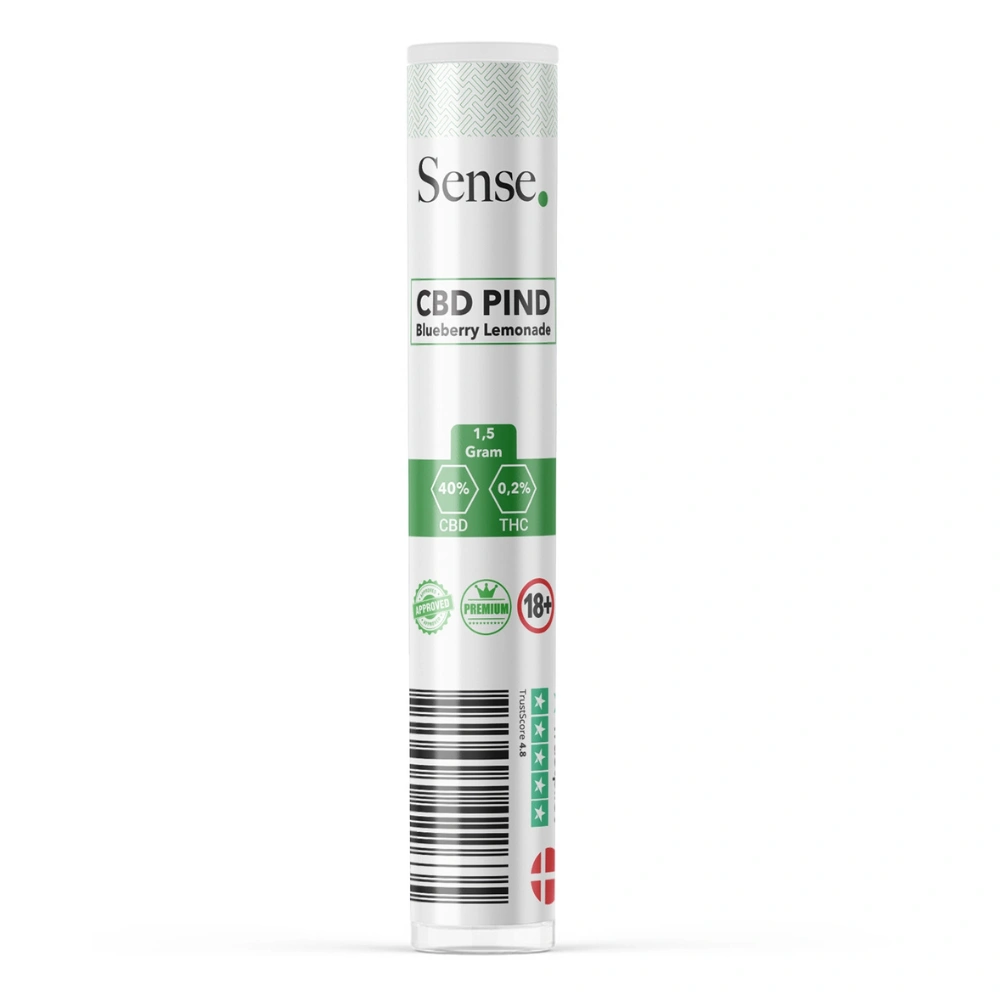
CBD Potpourri 40% – Blueberry Lemonade
Work cited
Atalay, Sinemyiz, et al. “Antioxidative and Anti-Inflammatory Properties of Cannabidiol.” Antioxidants , vol. 9, no. 1, 25 Dec. 2019, p. 21, www.ncbi.nlm.nih.gov/pmc/articles/PMC7023045/ , https://doi.org/10.3390/antiox9010021.
Blessing, Esther M., et al. "Cannabidiol as a Potential Treatment for Anxiety Disorders." Neurotherapeutics , vol. 12, no. 4, 4 Sept. 2015, pp. 825–836, link.springer.com/article/10.1007%2Fs13311-015-0387-1 , https://doi.org/10.1007/s13311-015-0387-1.
Conlon, Michael, and Anthony Bird. "The Impact of Diet and Lifestyle on Gut Microbiota and Human Health." Nutrients , vol. 7, no. 1, 24 Dec. 2014, pp. 17–44, www.ncbi.nlm.nih.gov/pmc/articles/PMC4303825/ , https://doi.org/10.3390/nu7010017.
DiNicolantonio, James J, and Amy Berger. "Added Sugars Drive Nutrient and Energy Deficits in Obesity: A New Paradigm." Open Heart , vol. 3, no. 2, Aug. 2016, p. e000469, https://doi.org/10.1136/openhrt-2016-000469.
Dr. Waseem Alzaher. “10 Possible CBD Oil Benefits (plus Possible Side Effects).” Cannabis Clinic , 22 Apr. 2021, cannabisclinic.co.nz/cbd-benefits/.
Geneva. CANNABIDIOL (CBD) Critical Review Report Expert Committee on Drug Dependence Fortieth Meeting . 2018.
Grinspoon, Peter. "Cannabidiol (CBD): What We Know and What We Don't." Harvard Health Blog , Harvard Health Publishing, 4 Apr. 2024, www.health.harvard.edu/blog/cannabidiol-cbd-what-we-know-and-what-we-dont-2018082414476.
Hammell, DC, et al. "Transdermal Cannabidiol Reduces Inflammation and Pain-Related Behaviors in a Rat Model of Arthritis." European Journal of Pain , vol. 20, no. 6, 30 Oct. 2015, pp. 936–948, https://doi.org/10.1002/ejp.818.
Mohammed, Sherin Yasser Mostafa, et al. “Effectiveness of Cannabidiol to Manage Chronic Pain: A Systematic Review.” Pain Management Nursing , vol. 25, no. 2, 11 Nov. 2023, www.sciencedirect.com/science/article/pii/S1524904223001935 , https://doi.org/10.1016/j.pmn.2023.10.002.
Padhy, Susanta Kumar, et al. "Irritable Bowel Syndrome: Is It "Irritable Brain" or "Irritable Bowel"?" Journal of Neurosciences in Rural Practice , vol. 6, no. 4, 2015, p. 568, https://doi.org/10.4103/0976-3147.169802.
Parray, Hilal Ahmad, and Jong Won Yun. "Cannabidiol Promotes Browning in 3T3-L1 Adipocytes." Molecular and Cellular Biochemistry , vol. 416, no. 1-2, 11 Apr. 2016, pp. 131–139, https://doi.org/10.1007/s11010-016-2702-5.
Rometsch, Caroline, et al. "Chronic Pain in European Adult Populations: A Systematic Review of Prevalence and Associated Clinical Features." Pain , 8 Oct. 2024, https://doi.org/10.1097/j.pain.0000000000003406 . Accessed 11 Dec. 2024.
Rossi, Francesca, et al. “Role of Cannabinoids in Obesity.” International Journal of Molecular Sciences , vol. 19, no. 9, 2018, p. 2690, www.ncbi.nlm.nih.gov/pubmed/30201891 , https://doi.org/10.3390/ijms19092690.