
Nowadays, it can be difficult to know what is used in our cosmetic products. If you go to the pharmacy to buy some skin care products, it is not uncommon for you to read the label and not recognize most of the ingredients. Cosmetic products such as skin care are also becoming increasingly expensive, which is leading many people to start making homemade skin care products. In this article, we will explore how to use essential oils , known for their many therapeutic benefits, in homemade cosmetics.

What are essential oils?
Essential oils are highly concentrated plant extracts that retain the characteristic aroma and flavor, or “essence,” of the source plant. These natural oils get their distinct scents from the unique aromatic compounds found in each plant. Various extraction techniques are used to produce essential oils, with steam distillation, water distillation, and cold pressing being the most common methods.
Steam or water distillation uses steam or boiling water to separate the essential oil from the plant material. In cold pressing, on the other hand, parts of the plant, such as citrus peels, are mechanically pressed to extract the oils. Once the concentrated oils are extracted, they are typically diluted with a carrier oil such as jojoba or coconut oil to make them suitable for use. Synthetically produced oils do not fall into the category of true essential oils.
The production of essential oils requires a large amount of plant material, which can drive up costs. For example, it can take around 225 kg of lavender flowers to extract one kg of lavender essential oil . Similarly, it takes around 4.500 kg of rose petals or lemon balm to produce the same amount of essential oils. This intensive process is a key factor in the pricing of these natural products.
How do essential oils improve health?
Aromatherapy, the use of aromatic plant extracts to promote health and well-being, has roots that stretch back thousands of years . Ancient civilizations such as those in Egypt, India , and China incorporated fragrant resins, oils, and balms into their healing rituals and spiritual ceremonies. Although the distillation of essential oils is often attributed to a Persian invention in the 10th century, there is evidence that similar methods may have been used even earlier.
In the 19th century, interest in essential oils began to grow in Europe, particularly among French physicians, who began to explore their potential therapeutic uses. The term "aromatherapy" was later introduced by René-Maurice Gattefossé, a French chemist and perfumer, in his 1937 book . His fascination with essential oils began after he successfully treated a burn with lavender oil , which sparked further scientific research into their healing properties.
When essential oils are applied topically, they can be absorbed through the skin, and their effectiveness may vary depending on the method of application. Applying heat or massaging the oil to specific areas of the body may increase absorption, but more research is needed to fully understand these mechanisms. It is important to note that essential oils are typically not safe for internal use due to their strong chemical composition.
Inhaling essential oils can also have a powerful effect. Scents interact with the brain's limbic system, which influences emotions, memory, and even automatic bodily functions like heart rate and breathing. This connection may explain their calming, uplifting, or energizing effects.
Experience the ancient, powerful effects of essential oils with CBDanmark.
Health benefits of essential oils
Essential oils are widely recognized for their potential therapeutic benefits that support both physical health and overall well-being. These concentrated plant extracts are often used as adjuncts to manage pain, relieve discomfort, support the immune system, and promote healthier skin and digestion.
- Pain relief: Essential oils have been shown to help reduce pain in a variety of situations. For example, one study showed study from 2013that children recovering from a tonsillectomy needed less pain medication after inhaling essential lavender oilSimilarly, rose oil has been linked to pain relief, especially during menstruation and in the case of kidney stones. Aromatherapy with rose oil has been used for several surveys shown to reduce cramps and discomfort.
- Support for joints and inflammation: Some essential oils contain natural compounds that can help reduce inflammation. Oils like frankincense, bergamot, orange og cinnamon has shown anti-inflammatory effects in laboratory testsThese properties may make them useful for relieving joint pain or discomfort associated with inflammatory conditions like arthritis.
- Discomfort during childbirth and hormonal balance: Clary sage is often used during childbirth for its calming and pain-relieving effects. It is also known to support women's health during menstruation and menopause. Another useful oil during childbirth is jasmine; a examination showed that using jasmine oil for low back massage helped reduce pain during childbirth. Jasmine is also known for its aphrodisiac effects, which can support sexual well-being.

- Digestive health: Peppermint essential oil is known to soothe the digestive tract. Its antispasmodic properties help relax the intestinal muscles, easing constipation, especially in people with irritable bowel syndrome (IBS). A study from 2008 confirmed peppermint oil advantages in this regard. Lemon essential oil also supports digestion thanks to its antioxidants and anti-inflammatory compounds. Aromatherapy massage with lemon oil has been shown to improve digestive function and reduce discomfort.
- Support for the immune system: With the growing concern over antibiotic resistance, essential oils are gaining attention for their natural immune-boosting effects. A study from 2017 showed that massage with lavender oil could increase levels of immunoglobulin A (IgA) in pregnant women, an important marker of the strength of the immune system. Tea tree oil, known for its antimicrobial and anti-inflammatory properties, is often used to fight infections and support the respiratory tract.
- Skin health: Essential oils are also popular in skincare routines. Lemongrass oil has a natural astringent effect and helps to cleanse pores and fight acne. Ylang-ylang can reduce skin pigmentation, which was supported by a study from 2015. Tea tree oil is also widely used to treat blemishes and breakouts.
Although aromatherapy has many uses, it should not be a substitute for medical advice. Some essential oils are toxic when ingested, such as eucalyptus and tea tree, and can cause serious health problems if ingested. Always use essential oils responsibly, do your research, and consult a professional when necessary.
How to make natural, homemade skincare with essential oils
Now that you’re aware of the many benefits of essential oils , you may be eager to incorporate them into your daily routine. One fun and practical way to do so is by making your own homemade cosmetics. By using essential oils in DIY beauty products, you can customize the scents and target specific skin or wellness concerns in a natural way. There are countless ways to use these powerful plant extracts, from facial serums and body scrubs to lip balms and bath salts. Are you ready to get started? Here’s how to make simple, effective, and personalized cosmetics with essential oils at home.
Want to improve your skincare routine? Try CBDanmark.
Homemade foaming facial cleanser with castile soap
Making your own foaming facial cleanser at home is simple and cost-effective, and it allows you to control the ingredients you put on your skin. This DIY cleanser uses natural, skin-friendly ingredients that are gentle enough for daily use.
Ingredients:
- Unscented Castile Soap: A mild, plant-based cleanser like Dr. Bronner's unscented version works well for all skin types and is especially gentle around the eyes.
- Sweet almond oil: This oil is ideal for dry or sensitive skin and contains vitamin A, which can help soothe irritation and manage acne. If almond oil is not available, jojoba or fractionated coconut oil are good alternatives.
- Essential oils: Add a few drops for fragrance and skin. lavender oil has a calming effect and is good for sensitive skin, while tea tree oil Helps with acne due to its antibacterial properties.
- Rose water or distilled water: Rose water is hydrating, pore-tightening, and antioxidant-protecting. Distilled water is also a budget-friendly option.
Directions:
Mix all ingredients in a foaming soap dispenser. Shake well before each use. Apply a small amount to wet hands, gently massage into face, avoiding eyes, and rinse thoroughly. Enjoy your natural, homemade cleanser!

DIY toners with essential oils
Making your own natural toner at home is a simple and inexpensive way to care for your skin without harsh chemicals. Each ingredient in this recipe has unique benefits that work together to refresh, balance, and tone your skin.
- Apple cider vinegar: This powerful ingredient is rich in alpha hydroxy acids, which gently exfoliate dead skin cells and help smooth and brighten your complexion. Suitable for all skin types, it helps oily skin by reducing breakouts and inflammation, while balancing the pH of dry or sensitive skin. Over time, it may even help reduce the appearance of fine lines and wrinkles.
- Witch hazel: Known for its natural astringent properties, witch hazel helps minimize pores, soothe irritated skin, and reduce redness. Be sure to choose an alcohol-free formula to avoid drying out your skin.
- Essential oils: These potent plant extracts provide both therapeutic benefits and a lovely scent.
- Lavender oil: Has soothing, antibacterial and anti-inflammatory properties, making it ideal for treating acne and relieving redness.
- Incense oil: Often called the “fountain of youth” and can reduce dark spots, tighten skin and refine pores.
- Lemongrass oil: Acts as a natural toner that kills bacteria and gives a healthy glow.
Ingredients:
- 30 ml alcohol-free witch hazel (Thayer's is a popular option)
- 5 ml raw apple cider vinegar
- 12 drops of each of the essential oils lavender, frankincense og lemongrass
- 60 ml spray bottle
Directions:
Add apple cider vinegar and witch hazel to the spray bottle, leaving some space at the top. Add the essential oils, swirl gently with the spray wand, then screw on the cap. Shake before each use and spray onto clean skin for a refreshing and balancing finish, or onto a cotton pad to rub onto the face if extra exfoliation is needed.
Homemade serum with essential oils
This homemade face serum combines the benefits of ylang ylang , frankincense , and lavender essential oils to naturally nourish and revitalize your skin. When blended, these oils support healthy circulation, reduce inflammation, minimize the appearance of pores, and even help heal minor wounds or blemishes, making them a powerful trio for daily skin care. And best of all, these benefits come without any harsh chemicals or synthetic additives.
The base of the serum is jojoba oil , which is known for its skin-friendly properties. Because it resembles the skin's natural oils (sebum), it absorbs easily and works well for all skin types, including oily, dry, or combination skin. It's also non-comedogenic, meaning it won't clog your pores. Jojoba oil acts as a natural barrier to retain moisture, and its antibacterial properties help prevent breakouts.
Ingredients:
- 10 drops of each of the essential oils lavender, frankincense og ylang ylang
- 50 ml jojoba oil
- 60 ml amber glass dropper bottle
Directions:
Add 10 drops of each essential oil to the bottle. Fill the rest with jojoba oil . Mix gently with the dropper, seal the bottle, and it's ready to use. Apply a few drops daily to cleansed skin.
DIY lotion recipe with essential oils
Looking for a simple, natural way to care for your skin? This homemade lavender lotion is a great DIY project that combines moisturizing ingredients with the soothing scent of essential oils . Made with skin-friendly ingredients like shea butter, almond oil, and beeswax, the lotion is perfect for everyday use and gentle enough for most skin types.
Ingredients:
- White Beeswax Pellets: Beeswax helps give the lotion a smooth, less greasy texture, while also retaining moisture and protecting the skin.
- Shea Butter: Known for its deeply moisturizing and soothing properties, shea butter helps soften skin and reduce inflammation. If preferred, cocoa butter can be used as a substitute.
- Almond Oil: This gentle oil is rich in vitamins and has properties that support healing, making it useful for blotchy or irritated skin. jojoba– or olive oil can also be used if almond oil is not available.
- Lavender essential oil: Not only does it give the lotion a soothing floral scent, but it also has a calming effect on the skin. You can customize your lotion with the essential oils you like, e.g. orange or mint, depending on your favorite scents.
- Vitamin E oil (optional): A small amount (about 5 ml) adds antioxidants and enhances the healing properties of the lotion.
Directions:
- Melt the base: In a double boiler (a heatproof bowl placed over a pot of simmering water), combine almond oil, shea butter, beeswax, and optional vitamin E oil. Stir over low to medium heat until completely melted and smooth.
- Beat the mixture: Let the mixture cool slightly, then use a hand mixer or stand mixer to beat it on high speed. Slowly drizzle in water as you mix until the lotion becomes creamy and white.
- Add essential oil: Once the mixture is well whipped, add 30-50 drops lavender essential oiland mix everything again. Adjust the amount according to the amount of extra essential oilswhen you customize the scent.
- Apply: Use on clean skin, avoiding sensitive areas. Discontinue use if irritation occurs.

Can I use essential oils on my face?
In today's world filled with artificial ingredients, synthetic fragrances, and chemical-laden skincare, choosing a more natural path can make a big difference, not just for your skin, but for your overall well-being. When you make your own skincare products at home, like these nourishing recipes, you can control exactly what goes on your body. You can customize it to your needs, avoid irritating additives, and feel confident that all the ingredients are safe and fit for purpose.
These homemade cosmetics are not only easy to make, they're also a thoughtful way to reconnect with natural, ancient ingredients that truly care for your skin. Shea butter soothes, almond oil moisturizes, beeswax protects, and essential oils soothe both skin and senses. And best of all? You'll be free from all the preservatives, dyes, and unpronounceable chemicals found in many store-bought products.
In this world of chemicals and additives, you can take your skin health into your own hands and spend a little time and effort making cosmetic products at home. With CBDanmark's self-care products, you can always trust what you use to care for your skin, as all of our products must undergo rigorous laboratory testing to be approved for sale. When you use our products, your skin will thank you! Not only will you feel the difference in texture and hydration, but you will also enjoy the peace of mind that comes with truly pure, handmade skincare.
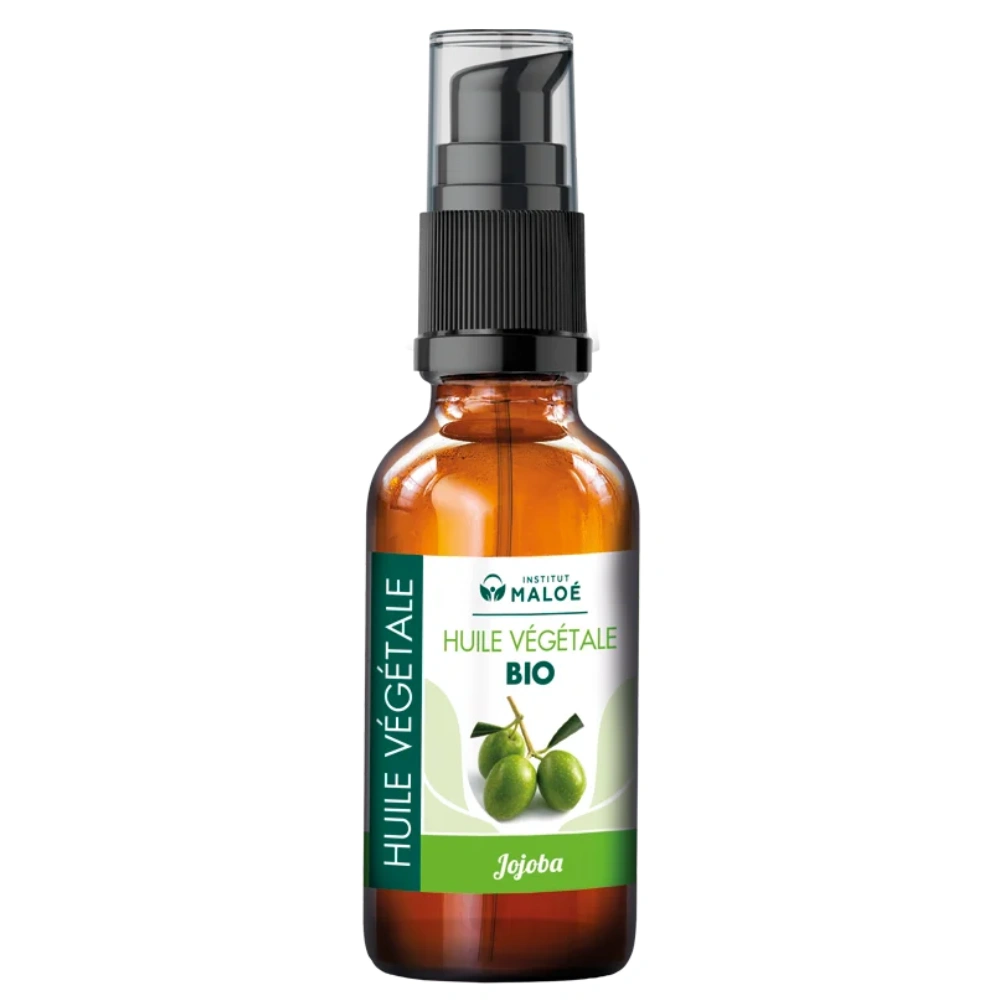
Essential Oil – Jojoba | 50ml
Works cited
athomeontheprairie. “Homemade Orange Blossom Face Wash with Castile Soap.” At Home on the Prairie , Aug. 8 2021, athomeontheprairie.com/homemade-face-wash-with-castile-soap/#mv-creation-20-jtr . Accessed 17 Apr. 2025.
Ayan, Murat, et al. "Investigating the Effect of Aromatherapy in Patients with Renal Colic." The Journal of Alternative and Complementary Medicine , vol. 19, no. 4, Apr. 2013, pp. 329–333, https://doi.org/10.1089/acm.2011.0941.
Chen, Pao-Ju, et al. “Effects of Aromatherapy Massage on Pregnant Women's Stress and Immune Function: A Longitudinal, Prospective, Randomized Controlled Trial.” The Journal of Alternative and Complementary Medicine , vol. 23, no. 10, Oct. 2017, pp. 778–786, https://doi.org/10.1089/acm.2016.0426.
Farrar, Ashley J., and Francisca C. Farrar. “Clinical Aromatherapy.” Nursing Clinics of North America , vol. 55, no. 4, 28 Sept. 2020, pp. 489–504, www.sciencedirect.com/science/article/pii/S0029646520300475 , https://doi.org/10.1016/j.cnur.2020.06.015.
Ford, AC, et al. "Effect of Fiber, Antispasmodics, and Peppermint Oil in the Treatment of Irritable Bowel Syndrome: Systematic Review and Meta-Analysis." BMJ , vol. 337, no. Nov13 Nov 2, 13 2008, pp. a2313–a2313, https://doi.org/10.1136/bmj.a2313.
Kim, Myung Ae, et al. "Effect of Aromatherapy Massage for the Relief of Constipation in the Elderly." Journal of Korean Academy of Nursing , vol. 35, no. 1, 28 Mar. 2017, pp. 56–64, synapse.koreamed.org/articles/1063390 , https://doi.org/10.4040/jkan.2005.35.1.56.
Nasr Fadhil, Sarab. "Application of Pain Management Practices for Women during Labor at Delivery Room in AL-Elwyia Maternity Teaching Hospital." ResearchGate , Apr. 2019, www.researchgate.net/profile/Sarab-Nasr/publication/354342893_Application_of_Pain_Management_Practices_for_Women_during_Labor_at_Delivery_Room_in_AL-Elwyia_Maternity_Teac hing_Hospital/links/6208a470634ff774f4c8c1e1/Application-of-Pain-Management-Practices-for-Women-during-Labor-at-Delivery-Room-in-AL-Elwyia-Maternity-Teaching-Hospital.pdf.
Rufino, Ana T., et al. "Differential Effects of the Essential Oils of Lavandula Luisieri and Eryngium Duriaei Subsp. Juresianum in Cell Models of Two Chronic Inflammatory Diseases." Pharmaceutical Biology , vol. 53, no. 8, 1 Aug. 2015, pp. 1220–1230, pubmed.ncbi.nlm.nih.gov/25612776/ , https://doi.org/10.3109/13880209.2014.970701.
Soltani, Rasool, et al. "Evaluation of the Effect of Aromatherapy with Lavender Essential Oil on Post-Tonsillectomy Pain in Pediatric Patients: A Randomized Controlled Trial." International Journal of Pediatric Otorhinolaryngology , vol. 77, no. 9, Sept. 2013, pp. 1579–1581, https://doi.org/10.1016/j.ijporl.2013.07.014.
Tan, Loh Teng Hern, et al. "Traditional Uses, Phytochemistry, and Bioactivities Of Cananga Odorata (Ylang-Ylang)." Evidence-Based Complementary and Alternative Medicine , vol. 2015, 2015, pp. 1–30, www.ncbi.nlm.nih.gov/pmc/articles/PMC4534619/ , https://doi.org/10.1155/2015/896314.
thedan26_wp. “DIY TONER for GLOWING SKIN.” The Dandy Liar | Fashion & Style Blog , 5 Feb. 2019, thedandyliar.com/diy-glow-toner-glowing-skin/.